Travel Report: Club Trip to Europe 2023 – Berlin – Venice
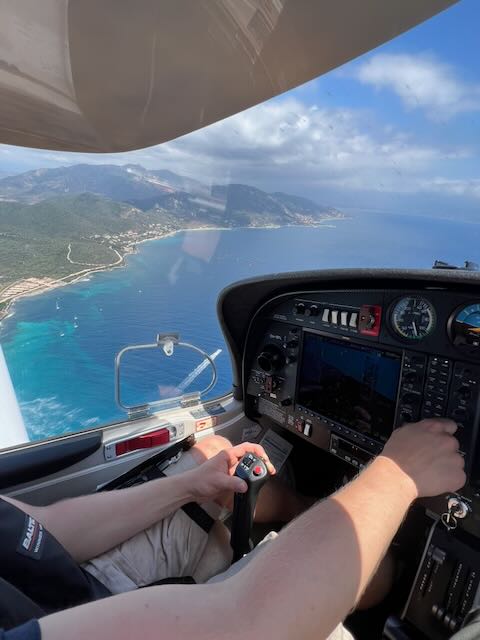
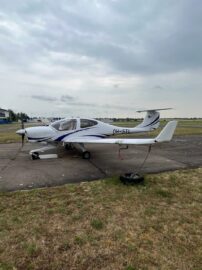
After the COVID-19 travel restrictions and aircraft spare parts availability challenges eased, we were able to organize a joint club flight trip to Europe again. This is part of what has become a fairly established tradition of traveling with our modern DA40NG aircraft (OH-STL).
The idea is to enable as many club members as possible to experience cross-country flying in new scenery with a familiar aircraft and good company at low cost. In practice, this is achieved by dividing interested members into crews of 2-3, who are swapped at agreed-upon destinations so that a new crew arrives and the previous one returns via airline flights. Club members interested in the trip gather at the club to form a common vision of the desired direction and coordinate schedules, and crews are formed based on this. This way, we don’t always have to cross the Baltic Sea back and forth. This report focuses on the journey by the 2nd and 3rd crews, covering Germany, Austria, Italy, France, Croatia, and Greece.
In addition to this report, check out the club’s Instagram account, which has more photos.
Berlin
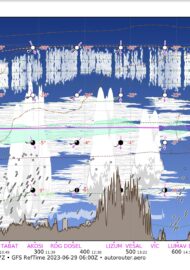
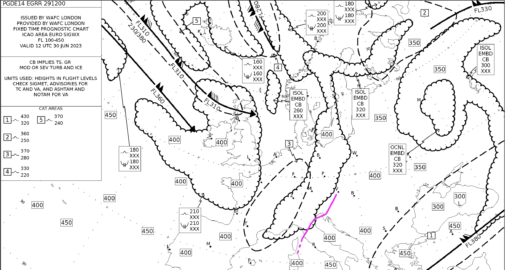
During rough planning at the clubhouse, we had discussed that the most weather-critical phase for our crew would be right at the beginning of the trip when we intended to quickly reach the Mediterranean from Berlin. This would be accomplished swiftly through beautiful mountain scenery by crossing the Alps, and we had prepared supplemental oxygen for the crossing. But, as you might guess, upon arriving in Berlin on a Finnair flight, we found ourselves looking at a weather chart that showed cloud cover from a couple thousand feet to FL 200, with a cold front sweeping across all of Central Europe from west to east. The alternatives were essentially to circumnavigate the highest mountains from the west or east. The western route would be slightly longer and the mountains higher there. The eastern route was more familiar, and Wiener Neustadt (LOAN) airfield, which we would encounter as the mountains lowered, was already known. Our aircraft OH-STL was originally built there and later visited the airfield for, among other things, its 1000-hour inspection.
Finnair landed at Berlin-Brandenburg (EDDB), but we had agreed that the previous crew would fly the aircraft to Strausberg airfield (EDAY), which is conveniently accessible by suburban train from Berlin’s main airport. Strausberg was familiar to the arriving crew from their first trip to Berlin with OH-STL in 2013. A dinner meeting was arranged at Brandenburg for those who weren’t in a hurry to continue their journey.

June 30 EDAY – LOAN
Waking up around eight in the morning, we realized it wasn’t raining outside and the weather was better than expected. A glance at updated weather charts and radar images revealed that the front had progressed slower than expected and would only be overhead in 4 hours. However, we couldn’t speak of clear skies, and based on forecasts, crossing the Alps didn’t look very promising. Additionally, since the front was coming from the west, the route was only open to the east. We quickly agreed on who would be responsible for the first and next flight and where a good intermediate airfield would be. The day’s goal was to reach the Mediterranean for a swim. We had set our sights on the island of Elba (LIRJ) in Italy. As an intermediate airfield, LOAN was too far east, but at least on the safer side weather-wise. We decided to go there. Morning forecasts for the LOAN-LIRJ leg looked good except for a front over the sea area between Italy and Croatia and clouds building over Italy’s central mountain range. However, temperatures were promised to be fairly cool, so there shouldn’t be significant thunderstorms.
Although the hotel was within walking distance of the airfield, we decided to speed up the journey by taking a taxi. We still stopped at a shop and bought provisions just in case the trip didn’t go quite as planned. At the airfield, we paid fees at the info desk and moved to the apron to position the aircraft for refueling. The price level at small German airfields is certainly pleasing, especially when compared to the airfield’s condition and services. Landing fees @ EDAY: 19 euros.
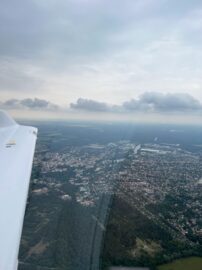
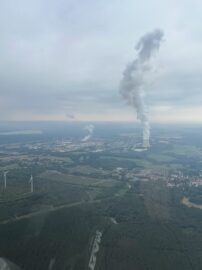
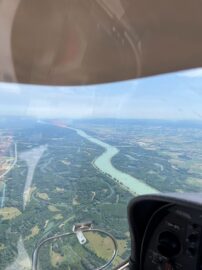
We got airborne quickly and due to the cloud ceiling initially only climbed to 2000 feet VFR. The approaching front was visible to the west, but the weather looked much more inviting to the east. The initial journey, however, proceeded in gray atmosphere, and the gray coal power plant cooling towers or brown coal open-pit mines didn’t exactly help matters. Upon entering Czech airspace, the low clouds ended and we were able to climb to 5,000 feet, which gave us margin over the rising terrain. Soon the clouds ended completely and we could enjoy sunshine and admire the colorful landscape. Upon reaching Austria and approaching Vienna, radio traffic increased. The information frequency also had plenty of traffic, mainly gliders. Approaching LOAN from the north passes through beautiful scenery. On the other hand, it’s also somewhat confusing as during the approach you can descend altitude while the terrain simultaneously rises. You also need to stay alert with LOAN approach charts and your position and especially altitude, so you don’t remain too high. Speed usually needs to be adjusted to the often quite busy traffic as well. Another noteworthy point is the short final when runway 09 is in use. The airport’s full name is Wiener Neustadt East Airport, and Wiener Neustadt West Airport is located just a few miles away. In the terrain, these are separated by a railway line, which should not be crossed, as you would otherwise be in the adjacent airfield’s airspace.
Fuel is available self-service at the airfield and payments were handled in a container block next to the refueling station. Sometimes in the past they have also been paid at the airfield info. Landing fees @LOAN 25 eur. The airfield also has a restaurant where we had lunch.
| Date | Departure Airport | Arrival Airport | Departure Time | Arrival Time | Flight Time | Flight Rules |
|---|---|---|---|---|---|---|
| 30.06.2023 | EDAY | LOAN | 10:49 | 13:24 | 2:35 | VFR |
June 30 LOAN – LIRJ
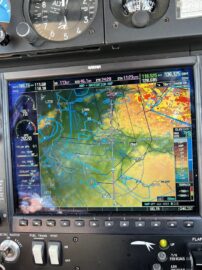
While eating lunch, it was a good time to check the latest NOTAMs and weather forecasts. The weather forecast had improved slightly, but still promised fairly abundant cloudiness over Italy. However, no thunderstorms were forecast except for a few isolated CBs. Flight planning itself had largely occurred during the previous flight and the flight plan was filed immediately after landing. On this leg, we intended to fly the cross-country phase IFR, but both departure and landing VFR primarily because neither airfield offered IFR procedures.
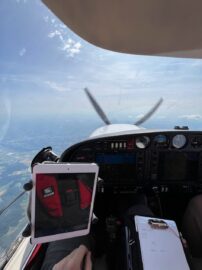
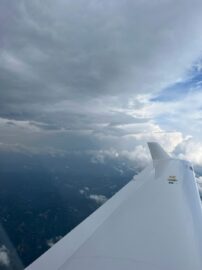
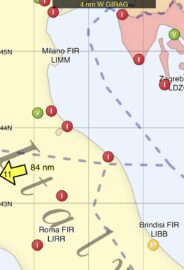
The sunny weather had raised the temperature to nearly 30 degrees, and with the aircraft fully fueled again, it weighed enough that climbing above the sector altitude and getting IFR clearance took a while. The calculated climb should have taken about 13 minutes, but due to altitude restrictions in the initial portion, it took nearly 20 minutes, though some of that was level flight. In good weather, we got to admire the scenery and the Alps to the right. The journey proceeded less swiftly in the typical headwind that varied between 7 and 28 knots. Over the Adriatic Sea we encountered the first clouds, but mainly stayed in visual conditions. Upon reaching the Italian mainland, we encountered the forecasted cloud mass, so we didn’t see much of the ground. However, the ride was fairly smooth and we saw sky more often than ground. The summer temperature was also a few degrees plus and no icing occurred. Since the approach was intended to be conducted under visual flight rules and preferably in visual flight conditions, we needed to get out of the clouds. Fortunately, forecasts held true and the clouds ended as the Ligurian Sea began, after which we could change from instrument flight rules to visual flight rules and drop altitude. Winds favored the use of runway 34, but there was a fairly low cloud over the island with rain still falling from it. By circling the island clockwise, the runway came into view and we could land in good conditions. The aircraft could be parked on the grass area next to others. The parking area was large enough that it wouldn’t run out quickly. The location also had tie-down points so the aircraft could be secured.
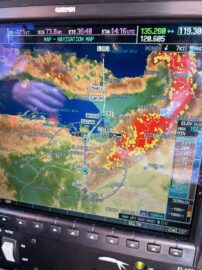
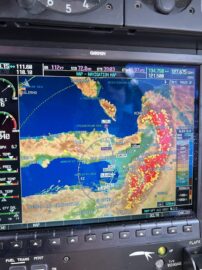
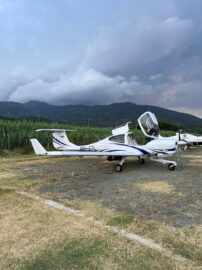
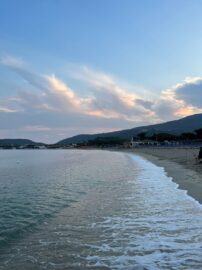
For the journey to proceed smoothly, it’s essential to divide tasks. One unpacks items from the aircraft and installs pitot cover, wheel chocks, and control lock, another books accommodation and figures out how to get there, and the third deals with any handling company and does paperwork. In Elba there wasn’t much paperwork and accommodation was found within walking distance. Items to accommodation and walking to the beach to swim and eat. Although the day had been long, it was nice to have time to swim at the beach found at the end of the runway. After swimming, to Marina Di Campo’s town center for dinner. Dinner was good, but after that our judgment wasn’t quite on target. We did see a fairly strong thunderstorm approaching the area, but still decided to immediately start walking back toward accommodation only to be caught in heavy rain halfway. We were soaking wet when we reached accommodation and had to hang clothes to dry for a while. Fortunately, the next day didn’t have an early departure planned, but our plan was to go somewhere nearby.
| Date | Departure Airport | Arrival Airport | Departure Time | Arrival Time | Flight Time | Flight Rules |
|---|---|---|---|---|---|---|
| 30.06.2023 | LOAN | LIRJ | 1451 | 1839 | 3:48 | VFR/IFR |
July 1 LIRJ – LFKJ
Morning dawned sunny and the still slightly damp clothes could be moved into the sun to finish drying. While the clothes dried, it was a good moment to decide on the next destination. Since the weather to the east was still bad, Corsica quite quickly emerged and browsing airports there we found Ajaccio Napoleon Bonaparte. The airfield information was quite difficultly scattered around and for example PPR conditions were logically on the text page of the airfield chart. We sent an electronic notification knowing that the instructions required a couple days notice. A rejection came, but having learned from previous trips, a call afterward (or beforehand) might clarify things a bit more precisely. After a small chat, it turned out that we should have put 3 crew members and 0 passengers on the form so the flight could be approved for the same day. So a person sleeping in the back seat would qualify as a crew member as long as they have a pilot license. At the end of the call, an approving response to the PPR request had already arrived in email. Items in bags and walking to the airfield café for breakfast and more detailed route planning. Once the plan was in the system, it was time again to divide into different tasks: Landing fees @LIRJ 70.5 eur, refueling, aircraft inspection. There was a discount on landing fees with an AOPA membership card, so it’s good for at least one crew member to have one and it can pay for itself in the Mediterranean with good luck on the first airfield alone.
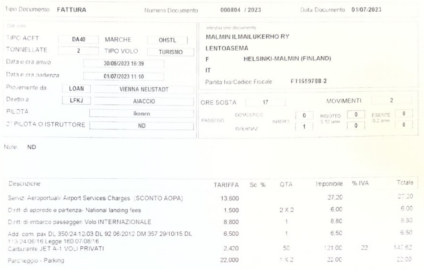
The winds were the same as the previous day and runway 34 was in use. At this airfield that means departing toward rising terrain in the island’s interior. The airfield offers special guidance on its site with videos on procedures that are good to know when departing from runway 34 or landing on runway 16. After departure, continue forward until you can turn right and shortly after turn left. Additionally, be prepared for turbulence during the turn.
The departure went well and as expected except that turbulence started a bit later than we thought. We climbed to a few thousand feet to enjoy the scenery. Short sea crossing and circling Corsica via the northern tip. The island has several airfields, so their airspaces should be noted when flying and possible clearances requested. On our route, however, we tried to avoid them as much as possible. The scenery was spectacular the entire way and the ride smooth over the sea.
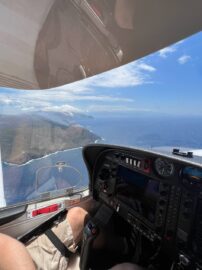
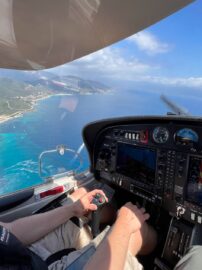
Before starting the approach, we had studied the charts carefully and evaluated a couple of possible routes that air traffic control could give us. Since the airfield is located in a valley, routes are fairly precisely defined and for runway 20 it would be via a left-hand pattern. The initial approach went as expected, but the situation changed when we received clearance for right downwind to 20. Looking out the window, there was a bump about two thousand feet higher than the airfield, though still below current altitude. We continued the instructed route and dropped altitude after passing the bump and flew the landing pattern normally.
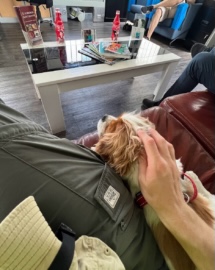
We arrived at the airfield during rush hour and had to wait about an hour for refueling. However, the airfield service was good and we got to wait in the ground handling facilities where there was also an office dog keeping us company. Landing fees @LFKJ 64 eur. After refueling, we decided to head from the airfield to the city center to our booked hotel. A bus went to the city center from the airfield, but when it turned out the price was over 7 euros per person, we moved to the taxi stand, where we could get a ride for the same money all the way there.
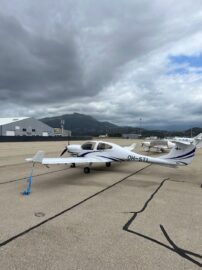
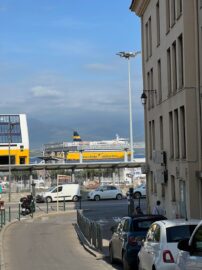
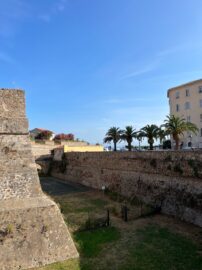
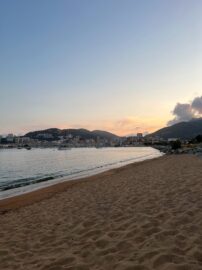
Ajaccio’s old town was pleasant and we found both a fortress and Napoleon’s birthplace, as you might have already deduced from the airport’s name. At the city’s harbor, we got to spot ships familiar to many Finns. For example, Silja Festival, which was long at the Helsinki shipyard and on the Turku route, and Mariella, built at the Turku shipyard, which was last seen on the Helsinki-Stockholm route. This day too was crowned with an evening swim at one of the city’s many beaches.
| Date | Departure Airport | Arrival Airport | Departure Time | Arrival Time | Flight Time | Flight Rules |
|---|---|---|---|---|---|---|
| 01.07.2023 | LIRJ | LFKJ | 1305 | 14:28 | 1:23 | VFR |
July 2 LFKJ – LDSB
We had agreed that crew change would take place on July 3 in “Split”, so it was time to head toward Croatia. Fortunately, the front had passed and good weather was forecast for the Croatian coast – though there were also clouds available along the way.
Since Split’s main airfield had become more expensive and more reluctant toward general aviation, we had already looked at a couple of alternatives during the preparation phase. Near Split is the island of Brač, which has become familiar from previous trips. The airfield also has border services, air traffic control, and fuel. The last of these was essential, as the next crew had hoped to continue with a full tank. Additionally, although the airfield itself was familiar, no one had previously spent the night on the island itself and explored it more closely.
Autorouter quickly created a fairly straight IFR flight plan for the journey, and there was nothing particularly noteworthy on the route. Possible thunderstorms would only be developing later in the afternoon. Based on winds, runway 20 would again be in use, after which toward the island’s edge to the north and once altitude was above MSL 100 (or 110) we could turn onto the route.
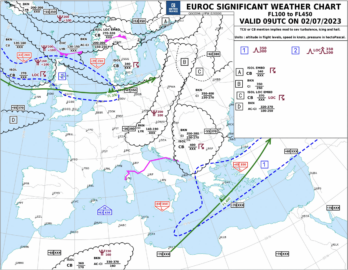
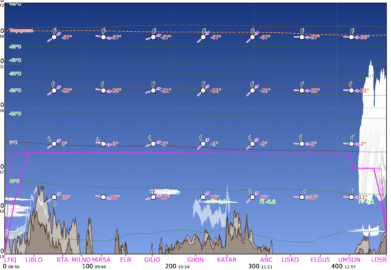
Since we had already handled refueling and payments the day before, we got moving quickly upon arriving at the airfield. The traffic situation was fairly active, but we didn’t have to wait on the ground and could depart immediately. As always when flying in the wrong direction, aircraft performance felt fairly weak collecting altitude at Vy. However, the situation was helped by magnificent scenery, which only improved as we got on route. Initially we again crossed the island of Elba and this time saw land over the mainland as well. Halfway through Italy we had to spend a moment inside a cloud, but it was relatively dry and smooth there. Although we had been to Brač several times, this was the first time we weren’t approaching via VFR routes following the Croatian coast (which have the peculiarity of adding altitude so you can land) but from high and on instruments, so we didn’t have a clear picture of what to expect. Air traffic control service was professional and we were directed without detours through Split’s TMA with altitude restrictions that nevertheless fit well with our approach profile. At Brač island we could already start a visual approach to runway 22 and the airfield was easy to find when we knew what to look for. After landing, the aircraft was parked as instructed. The airfield has limited parking space, but it’s used efficiently unlike many other airfields.
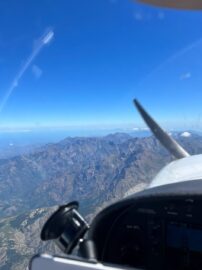
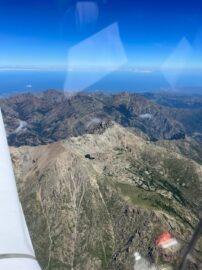
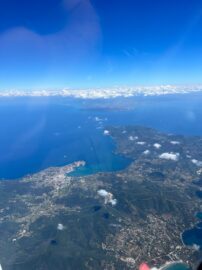
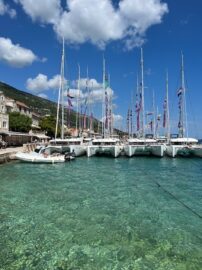
At this airfield, prices had considerable inflation, but at least the airfield provided a price list when requested in advance. Landing fees @LDSB 92.37 eur. Another annoying aspect of this airfield is that it’s located in the middle of nowhere. In itself only a few hundred meters from the nearest town, but 1700 feet higher. So you can order that 40 euro taxi from the village. While waiting for the taxi, we enjoyed a couple of refreshments at the airfield café. Noteworthy was also that thanks to Croatia joining Schengen, no border formalities were needed and the currency had changed to euros. We booked accommodation in the nearest village, Bol, which at least had a pleasantly affordable price level. There was plenty of warmth, so we moved next to swim before dinner.
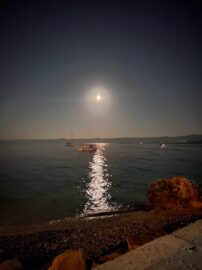
While enjoying the evening sun, we also did some planning for the next day. Since a crew change was on the program, the previous crew needed to leave and it was known that the next would arrive around noon. Unfortunately, Brač airfield was closing already at 4 PM, so making it from Split airport to Brač would have been quite tight. Another option was to fly one more flight to the mainland to a small grass airfield for gliders LDSS, from which you could reach Split airport by taxi for ~60 euros in about an hour. The airfield had welcomed us when we had contacted them during the planning phase. We decided to move the aircraft to better locations and it wouldn’t even require early waking or major planning.
| Date | Departure Airport | Arrival Airport | Departure Time | Arrival Time | Flight Time | Flight Rules |
|---|---|---|---|---|---|---|
| 02.07.2023 | LFKJ | LDSB | 10:55 | 14:08 | 3:13 | IFR |
July 3 LDSB – LDSS
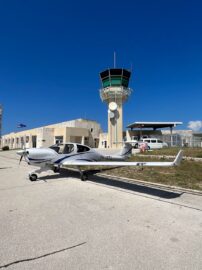
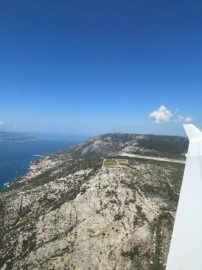
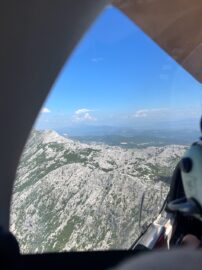
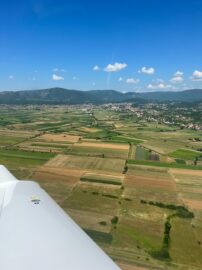
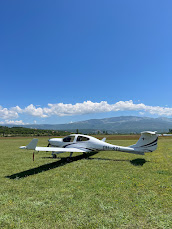
The day began with breakfast with a sea view. The last day for this crew on the trip and ahead was one more short flight, deviating from the original plan. Plan filed and to the airfield to handle payments and prepare the flight. The wind hadn’t turned during the night and we could depart from runway 20, which offers magnificent views because the runway ends at a 1700-foot drop and typically after departure you descend lower if you want to follow the area’s VFR routes. Now, however, we turned left around and continued climbing because on the coast we needed to cross a mountain range before landing. Typical of grass airfields, finding this airfield wasn’t quite easy either. Fortunately, there’s a racetrack on the runway extension, which was marked on charts and served as a good landmark. Once in the landing pattern, the threshold and edge markers could be distinguished from the airfield. After landing, we were directed to park at the edge of the airfield area, where we also found rope attachment points. The airfield was starting to get active and the day’s first glider was towed into the air as we cleaned insects off the aircraft. At this point, it was time for the crew to say goodbye to the aircraft and hand it over to the next ones. We had been on the trip for just under 4 days but experienced 4 different countries and gained many great flying experiences.
| Date | Departure Airport | Arrival Airport | Departure Time | Arrival Time | Flight Time | Flight Rules |
|---|---|---|---|---|---|---|
| 03.07.2023 | LDSB | LDSS | 11:38 | 11:57 | 0:19 | VFR |
Third Crew: Croatia - Greece - Italy
July 3 LDSS – LGIO
The trip’s third crew arrived from Helsinki via Norwegian to Split airport, from where taxi to Sinj airfield, where OH-STL was waiting. The airfield also had a café, which mainly served liquid products but assisted in ordering pizza from a nearby pizzeria for delivery.
About Greece in General
Unlike the previous crew’s improvised destinations decided in the morning, this part of the trip was more carefully planned and flight plans already filed days in advance. The reason for this really was that the flying was focused on Greece, which in itself is wonderful to fly in, but it’s not easy. The first challenge is right there that Greece hasn’t yet noticed it belongs to a common customs area, so you must enter the country and leave the country via an airfield offering border services that is also mentioned in the AIP as Airport Of Entry. This wouldn’t be a problem otherwise, but Greece had to sell state property with an iron fist during the euro crisis, and this included all the most significant airports. They ended up in Fraport’s possession, which is not particularly GA-friendly in service or especially in prices (400 eur+..). There are 3 Airports of Entry that are not Fraport-owned and when coming from the north, Ioannina is practically the only option. Another option is in Crete. The second thing requiring planning is that almost all airfields are PPR 48h or more and seem to stick to it even if the entire airfield is empty. The third reason for planning is opening hours. Airfields are open largely according to scheduled traffic needs, i.e., an hour or two in the morning and an hour or two in the evening, or only one of these. So if there are, say, 4 airfields you’d like to visit, you need to look at daily opening hours for a suitable combination to travel between them. Fourth is fuel availability. Although STL runs on jet fuel and has long range, at some point you need to visit an airfield where fuel is available. In Greece, you shouldn’t think of flying without someone in the crew having AOPA membership, because with it you can halve many prices.
In practice, the crew had made rough advance planning based on the AIP, Greek AOPA, and SkyDemon airfield reviews and divided tasks among themselves to obtain PPR and price lists from each airfield they intended to visit. This is also not a very easy task because Greeks respond quite poorly and not very informatively. Eventually, however, we had some understanding that PPRs were in order and prices in the right ballpark.
To the journey!
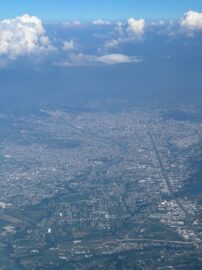
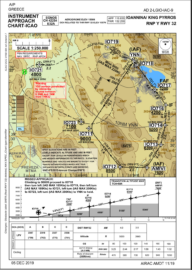
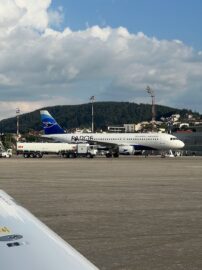
At Sinj’s café, we had to wait a moment for our destination airfield to be open at arrival time. The weather promised otherwise good, but since it was already afternoon, random CB clouds might be along the way. No one was left at the airfield when departure time came, so we couldn’t pay any landing fees. However, we were in contact with the airfield’s contact person who said this time would go free of charge and we’d see next time again. Sinj airfield has a fairly short grass runway and it was a hot afternoon, so there wasn’t much extra performance available. The grass slowed enough that the aircraft had to be lifted into ground effect to accelerate. After departure, we contacted Split radar for climb and IFR clearance. The route followed along the Croatian coast and along the way we saw many beautiful sights with the weather being exceptionally clear. A new bridge had also appeared in Dubrovnik since the last club trip and this time we skipped Tivat. Albania’s Ohrid airfield seemed attractive, but this time we had to skip it for schedule reasons. The border area between Albania and Greece is fairly high mountains and clouds also started appearing. Unlike the previous crew’s clouds, these caused quite noticeable turbulence and required actions from the pilot to maintain speed and altitude – the KAP140 is a bit too slow to react to these. Also available was the trip’s first instrument approach in instrument meteorological conditions and even among mountains. Practically all procedures start from above the airfield and descend downward along valleys, so a few extra kilometers and flight time were in store. Another aircraft also appeared on the radio, whose call sign didn’t sound very familiar and was coming to the same airfield. The controller kindly inquired if we would be ready to fly a holding pattern above the airfield for a lap or two so the faster one could go first and we agreed to this. Just as we were about to start the holding pattern, we received clearance for the approach, so again we missed getting that fairly rare procedure. The RNP approach was nicely clear and included several steps for dropping altitude. Passengers saw mountain scenery through clouds from time to time. The clouds ended already before the final and visual flight conditions prevailed at the airfield. The airfield is large and has plenty of parking space. The aircraft that approached before us turned out to be an Atlantic Airways aircraft. The ground service company representative could tell that during the summer season, a few different companies operate holiday flights to the city.
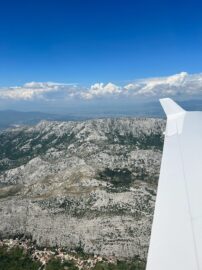
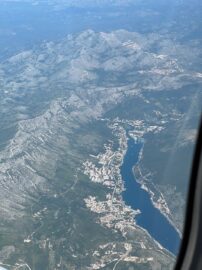
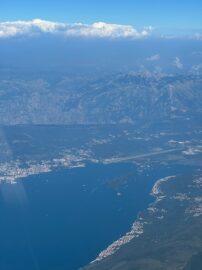
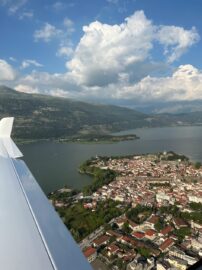
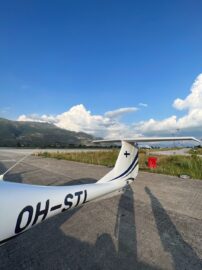
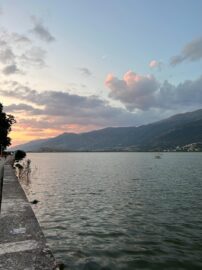

After landing, refueling was on the program as well as filling out some papers and checking travel documents (since we’re moving within Schengen, quite normally). We booked a hotel inside the walls of Ioannina’s old town and moved there by taxi, 11 euros. We wandered around the city and became acquainted with the art festival there before moving on to dinner. The city is beautiful and the surrounding mountain and lake scenery pleasant. We recommend it for a different kind of Greek holiday!
| Date | Departure Airport | Arrival Airport | Departure Time | Arrival Time | Flight Time | Flight Rules |
|---|---|---|---|---|---|---|
| 03.07.2023 | LDSS | LGIO | 1519 | 19:08 | 2:49 | VFR/IFR |
July 4 LGIO – LGKC
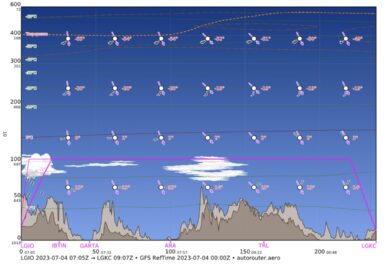
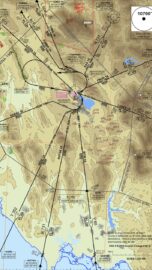
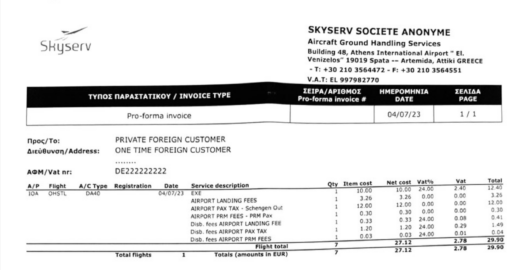
Our goal was to visit different cities/airfields, so the day’s first leg was the island of Kythera, which is located south of mainland Greece before the island of Crete. We could sleep quite late and rest well since the morning departure was limited by the airfield only opening at 10 AM. We were already at the airfield before opening time waiting to pay landing fees @LGIO 29.90 euros. We got airborne 14 minutes after opening! The sun was shining from a clear sky but we still flew the SID departure procedure since one was available among the mountains. As a visual departure, it would of course have saved a few more minutes as we could have stayed in visual contact away from mountains. On this route, what particularly stuck in mind were the numerous airspaces where air traffic control didn’t have radar but only procedural methods. The pilot didn’t get bored as they had to report DME distances to whichever point almost every 10 minutes for the entire flight. I guess that’s what it was like everywhere before. Since the destination airfield didn’t offer instrument procedures and there was a restricted area on the route at higher altitude, we decided to terminate the instrument flight and moved lower to admire coastal scenery. Unfortunately, visibility was fairly poor so pictures especially didn’t turn out very well. When approaching the airfield, it was time to change to the airfield frequency, from which came only carrier wave for several moments as a small surprise. Before we could check a possible alternate frequency, the transmission ended and we could report our intentions to the information service. The airfield is at 1000 feet elevation and quite close to a cliff. The approach and landing were made to runway 02. Aircraft parked and briskly to the terminal, from where we took a taxi to town for lunch. Again, the distance from the airfield to town was considerable but also served as a good introduction to the island. Since the village seemed to have fairly limited taxi drivers, we agreed with him that he would come pick us up in just under 2 hours back to the airfield.
| Date | Departure Airport | Arrival Airport | Departure Time | Arrival Time | Flight Time | Flight Rules |
|---|---|---|---|---|---|---|
| 04.07.2023 | LGIO | LGKC | 1014 | 1224 | 2:10 | IFR/VFR |
July 4 LGKC – LGML
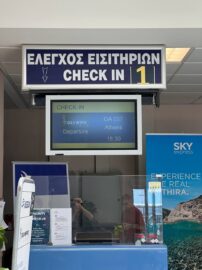
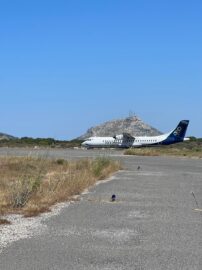
After a small village exploration and tasty lunch, we moved back to the airfield. The airfield had quite a commotion because the day’s scheduled flight was soon departing, but ground service personnel took us into account and we could pay landing fees @LGKC 70.00 euros and move to our aircraft. While preparing the aircraft, an Olympic Air flight arrived. The day’s second flight would take us to Milos, where we intended to spend the night. This flight also involved another peculiarity of the Greek AIP. VFR flights in uncontrolled airspace over open sea are not allowed, so the route was selected via a slightly longer way so we could get into controlled airspace or stay near land. On the positive side, this of course meant better scenery, though somewhat hazy.
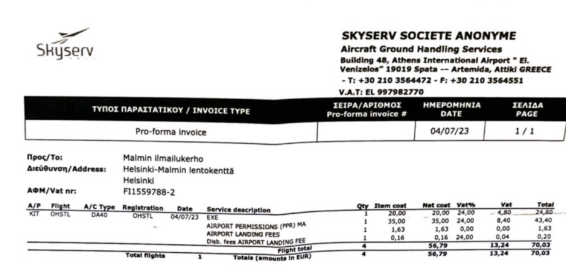
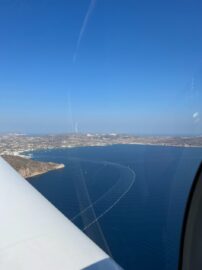
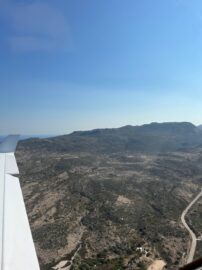
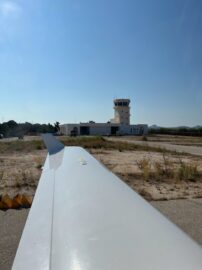
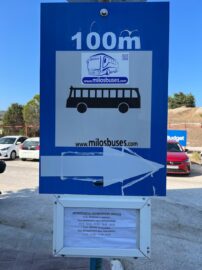
Also essential to Greece is a plentiful amount of military areas that are fairly active. Often you can get clearance from local air traffic control for these, but it’s hard to know in advance what kind of detours are coming. This time we got to approach the island of Milos without major detours, whose airfield is located at the head of a bay. Aircraft parked on a fairly small apron, where however we were alone. The airfield was really small and could have used a small maintenance renovation over 10 years ago already. At least the runway had recently been extended. Conveniently upon exiting the terminal, a taxi turned onto the airfield that dropped off passengers and we jumped into it to get to the village where we had just booked a hotel. Although our goal was to get a couple of airfields per day the next day, we couldn’t reasonably fit that. This of course meant there was no great hurry in the morning and in the evening we could take it easy and get to know the village better.
| Date | Departure Airport | Arrival Airport | Departure Time | Arrival Time | Flight Time | Flight Rules |
|---|---|---|---|---|---|---|
| 04.07.2023 | LGKC | LGML | 1603 | 17:13 | 1:10 | VFR/IFR |
July 5 LGML – LGSO
After room checkout, breakfast bread and coffee from the local bakery like everyone else in the village seemed to be doing judging from the crowd. Ahead would be a short flight to the island of Syros. Mainly notable regarding the schedule is that the departure airfield closes 30 minutes before the destination airfield opens and since you don’t want to leave departure to the very last minutes, it would be good to spend at least about 40 minutes in the air. The route also offered opportunities for a small tour looking at islands along the way. The scheduled flight was late and the airfield was full of passengers when we arrived there. We received instructions that passengers cannot be loaded onto the scheduled flight if we have the engine running, so we had to wait to start until the scheduled flight gets its doors closed. This shortened our hoped-for time a bit before the airfield closes but we still got airborne on time. During this journey, we also received a warning as flight information service about another general aviation aircraft at the same altitudes at the same time in the same place. We got the reported aircraft in sight and passed each other safely. When approaching Syros from the south, finding the runway was somewhat difficult. Fortunately, SkyDemon’s clear visual guidance for the approach created confidence that the runway is there. Once again, the runway is built high next to a cliff. The runway had also been shortened and its markings were mainly interesting, but these had been warned about by NOTAM. After landing, immediately refueling at the refueling station, where new refueler training was in progress. The only time in Greece there were plenty of safety equipment in use and instructions not to use mobile phones even 10 meters away. However, refueling was completed and the aircraft taxied to parking.

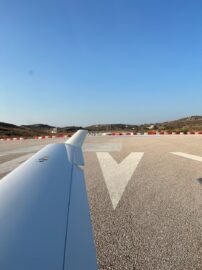
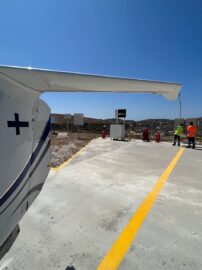
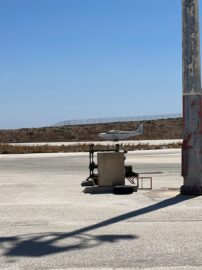
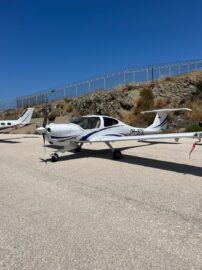
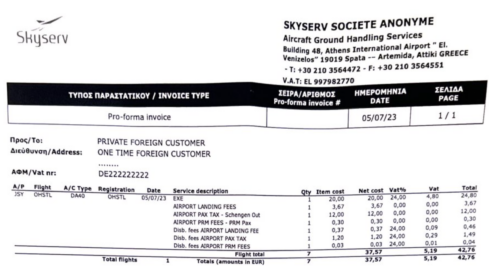
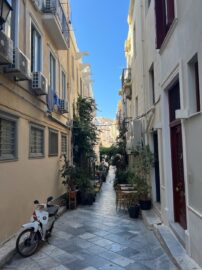
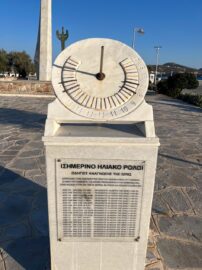
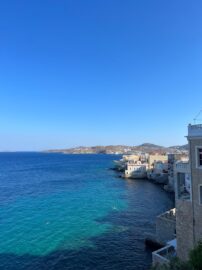
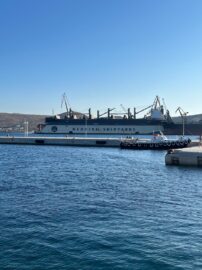
Up to this point, handling matters at airfields had proceeded very quickly or as quickly as some 4-5 papers can be filled out and stamped and copied, but as a customer experience required quite little. The situation changed at this airfield when apparently the clerk wanted to follow instructions and requirements and do things correctly (It turned out that previous ones had been a bit more broad-minded). One of the most significant problems was that the aircraft owner/operator’s registration number was located in the EU but was not VAT-eligible (as non-VAT-registered Finnish associations tend to be). This was apparently impossible and they can only sell to those in the VAT register. When we looked at old receipts, it turned out that previous clerks had solved this a bit more creatively. This whole thing took over an hour of adjustment until finally papers could be made for a private customer and required personal identification documents and other paperwork. The sum came to landing fees @LGSO 43 euros. Fortunately, we had again wanted to handle all papers immediately upon arrival and not on departure day. Also, ordering a taxi was surprisingly difficult even though the airfield had a bunch of numbers – many of them didn’t answer. We got a taxi on site just when paperwork was sorted out. Fortunately, the flight had been short and it was only one in the afternoon. This allowed calmly checking into the hotel, lunch, a small rest before a city tour and swimming. The city had plenty of history from different eras and the city still showed a large shipyard and harbor – This was Greece’s main port before the construction of Piraeus.
| Date | Departure Airport | Arrival Airport | Departure Time | Arrival Time | Flight Time | Flight Rules |
|---|---|---|---|---|---|---|
| 05.07.2023 | LGML | LGSO | 10:27 | 11:16 | 0:49 | VFR |
July 6 LGSO – LGIO
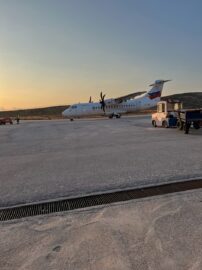
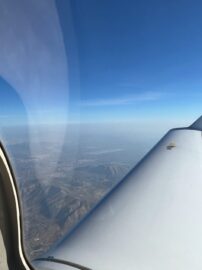
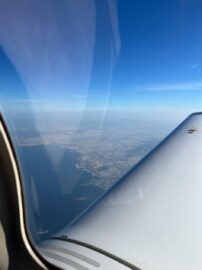
The early bird catches the worm. The day was going to be long since flight time alone was estimated at over 7 hours from Syros to Venice, where we had agreed on the next change. This had originally been planned as 2 longer flights, but when it turned out that LGSO isn’t on the AIP’s Airport Of Entry list (even though they do offer customs and border!) we ended up going via Ioannina again, raising the total number of flights to three. Early wake-up and quick move to the taxi stand and from there taxi to the airfield. Since all papers had been done the day before, we could go straight to our aircraft and were airborne already at 7:35! The route passed by Athens so we got to enjoy on radio frequencies and looking out the window the abundant air traffic. The TAF for Ioannina airfield had promised possible fog for the early morning, but when we left Syros, the weather in Ioannina was CAVOK, so the fog hadn’t materialized. However, this had changed during the journey and the first METAR we received from the airfield offered 900 meters visibility and 900 feet vertical visibility. However, the sun was already shining from the sky so we decided to go try our luck and air traffic control also thought the situation would improve. This time we got to fly the approach procedure so that we could see around us but the valley floor was covered with clouds. When reaching the final, the beginning of the runway was visible under the cloud and finding it was helped by the fact that we had been to the location a few days earlier. Morning fog low over the lake and airfield with the sun shining created a beautiful landscape. After landing, we again took refueling and went to the terminal to handle border crossing formalities. There was a café open in the terminal so we ended up buying filled rolls there – somewhat surprisingly the products were sold to us at over half below the label price. Perhaps they gave staff prices noticing hi-vis vests on the crew that had popped in. Landing fees this time were @LGIO 28.06 euros.
| Date | Departure Airport | Arrival Airport | Departure Time | Arrival Time | Flight Time | Flight Rules |
|---|---|---|---|---|---|---|
| 06.07.2023 | LGSO | LGIO | 07:35 | 09:46 | 2:11 | VFR/IFR |
July 6 LGIO – LIPY
After breakfast eaten in the terminal, it was time to continue the journey toward Italy. Weather forecasts promised blue sky for the entire journey – and of course corresponding headwind. This time we departed visually to avoid extra circling in the airfield area and climbed avoiding mountains onto the route. Along the way was first a small sea crossing and then along the coast over the sea toward Ancona. The ride was smooth and not much happened on radio frequencies either. Mornings are a nicely calm time to fly. Approaching Ancona, we received clearance for an approach procedure that would take us to an ILS approach to runway 20. The procedure was drawn quite broadly and for much faster aircraft than STL. Finally, already on final approach, the controller inquired if it would be possible to cancel IFR and sidestep right so they could get faster traffic to land behind us and we agreed. We joined downwind runway 04 and performed the landing. Over the mainland on the north and west side of the airfield, thunderstorm clouds began appearing and some rain also started falling as we temporarily parked the aircraft and waited for refueling. We moved to the terminal to pay landing fees @LIPY 74.50 and study the direction and size of the thunderstorm that had appeared.
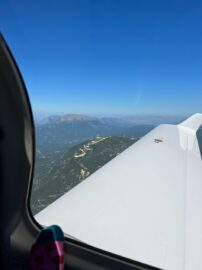
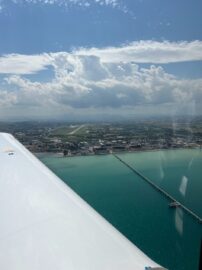
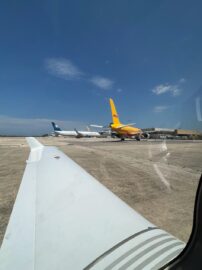
| Date | Departure Airport | Arrival Airport | Departure Time | Arrival Time | Flight Time | Flight Rules |
|---|---|---|---|---|---|---|
| 06.07.2023 | LGIO | LIPY | 1114 | 1508 | 3:54 | IFR/VFR |
July 6 LIPY – LIPV
Based on fresh weather information, we made an assessment that we could continue as planned toward Venice Lido, though shifting the route a bit further out to sea and preparing to fly lower. At the Venice end, the weather should still be good.
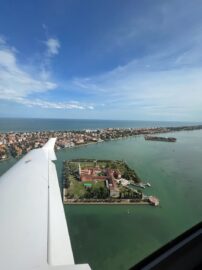
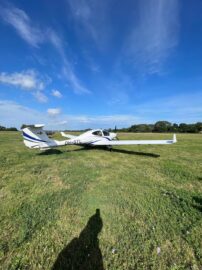
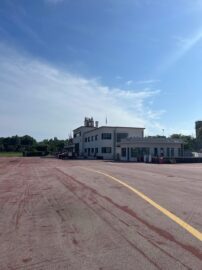
Departure from runway 04 toward the sea accompanied by light rain. Over the sea we could climb to 5,000 feet despite preliminary assessments and continue on route toward Venice. Air traffic control gave clearances well to airspaces along the way and coordinated in advance with the next airspace, although we had been prepared to descend altitude since we were approaching the destination airfield anyway. The Venice lagoon area is truly beautiful and especially when arriving from the south with the islands bordering the lagoon being thinner. The airfield arrival route also follows these islands and reporting points are clear landmarks. The base leg starting point can well be considered the monastery island of San Lazzaro degli Armeni. The airfield is grass but well maintained and after landing we taxied to the end of the aircraft row to park. The terminal itself is really beautiful and kept in good condition and there’s a restaurant operating there where we went to enjoy beers in honor of a successful flight trip. Over 3 days earlier we had taken the aircraft over in Sinj, Croatia, circled Greece and now we were in Venice. We had seen and experienced so much in just a few days. Now we had parked and cleaned the aircraft for the next crew, who are supposed to fly the aircraft back to Finland. Since none of us were continuing our journey the same day, we took a shared hotel on Lido island, from which you can get by water bus to Venice’s main airport. We still went to a joint dinner to celebrate our successful club trip.
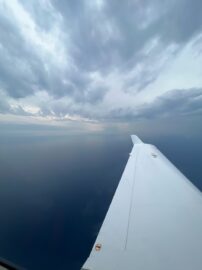
| Date | Departure Airport | Arrival Airport | Departure Time | Arrival Time | Flight Time | Flight Rules |
|---|---|---|---|---|---|---|
| 06.07.2023 | LIPY | LIPV | 1626 | 1736 | 1:10 | VFR |
Join next year?
Did your interest awaken to participate in a club trip and experience flying outside Finland? We intend to organize a trip next year as well! Destinations and timing are selected based on participant interest. Our club is open to everyone interested in aviation and if you’re still missing a license, you can get it through us. A license is also not a requirement for trip participation and we have had unlicensed people along annually. Trip planning usually starts in spring and is announced in the club’s channels. There are also no experience requirements for pilots, but it would be desirable that you’re comfortable with our aircraft and have preferably flown some cross-country flights also in controlled airspace, for example in Finland and Estonia. More experienced members will certainly guide you from flight planning to anticipation during flight and help understand air traffic control’s stranger clearances.